 Request a Model-Specific Review
CONFU / US brand procurement
How US Hair Tool Brands Qualify an OEM/ODM Manufacturing Partner
Qualify an OEM or ODM partner by connecting your product brief to verifiable evidence: supplier identity, development scope, sample results, manufacturing controls and market documentation. US brand teams should agree who approves each stage before committing to production.
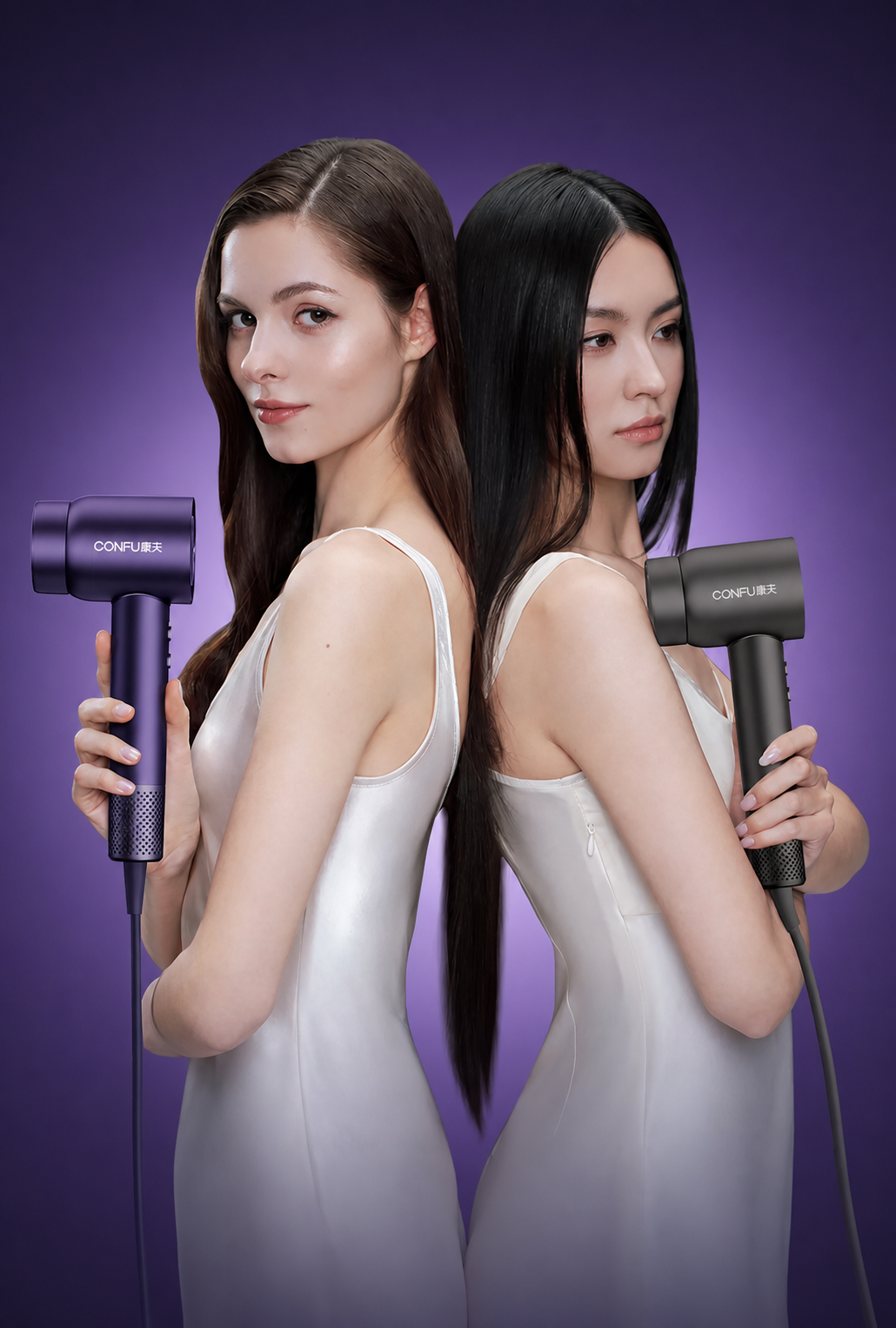
Buyer checklist: question, evidence and decision
| Review area | Evidence to request or record | Decision before proceeding |
|---|---|---|
| Supplier identity and scope | Legal entity, manufacturing location, proposed contracting party and a process map identifying in-house and external work. | Confirm who is responsible for the product and each production step. |
| Product development brief | Intended user, channel, configuration, proposed claims, accessories, finish and measurable acceptance criteria. | Resolve which requirements are confirmed, feasible for review or still open. |
| OEM / ODM responsibilities | Written scope for design, tooling, branding, packaging, engineering changes and ownership of project materials. | Agree responsibilities and approval rights before development spending. |
| Sample evidence | Revision-linked samples, test methods, results, deviations and corrective-action records. | Approve the agreed configuration only after open issues are resolved. |
| Manufacturing and quality | Proposed incoming, assembly and final checkpoints; traceability, inspection records and change-notification process. | Agree the evidence and release authority needed for pilot and production batches. |
| US-market documentation | Model identifiers, ratings, proposed plug, instructions and applicable safety documentation for review. | Have the responsible compliance team confirm the scope and current requirements. |
| Commercial and after-sales plan | Project quotation, quantity assumptions, launch milestones, defect handling and warranty responsibilities. | Record project-specific terms; avoid assuming catalogue-level promises apply. |
Start with the product promise
A brand brief should explain the experience you want the customer to have. Replace broad phrases such as premium performance with reviewable goals for drying, control, handling, finish and accessories. Distinguish intended marketing claims from results already supported by evidence. A motor description or attractive sample alone cannot establish overall product suitability.
Give product, sourcing and quality teams separate sign-off tasks
Product development owns the intended use and acceptance criteria. Sourcing confirms the manufacturing scope, commercial assumptions and decision timetable. Quality reviews the test evidence, proposed checkpoints and documentation gaps. Keep one decision log with the requirement, evidence reference, owner, status and next action so unresolved items do not disappear between teams.
Use staged approval, with a clear hold point
First confirm supplier and project fit. Next review the development brief and sample plan. Then evaluate the identified sample revision and close deviations. Before production approval, agree pilot evidence, manufacturing controls and market-documentation responsibilities. Hold the decision whenever a material requirement is unverified; a supplier score should not cancel an unresolved safety or configuration issue.
Ask for evidence that matches the actual model
Check that reports identify the intended configuration and that the issuing party, scope and dates can be verified. A document for a different model or market is background information until its applicability is established. Request only the records needed for the decision and agree appropriate handling of confidential design and commercial information.
US safety documentation: a separate review
CPSC identifies hand-supported hair dryers without integral immersion protection as a substantial product hazard. Its guidance distinguishes this hazard rule from product certification requirements. Have the responsible compliance team identify the current obligations, model scope and evidence needed for your intended use and market. Consumer handling trials do not replace electrical safety evaluation.
Source: CPSC — Hand-Supported Hair Dryers Business Guidance (reviewed September 18, 2026). The planning checklist above is editorial guidance, not a CPSC testing protocol.
Request a Model-Specific Review
Share your company website, role, target US channel, category or model, project route, sample criteria, documentation needs, estimated quantity and launch window. Configuration, development scope, commercial terms and documentation remain subject to project confirmation.
Discuss Your Brand Project →FAQ
Questions before you inquire
Is a factory presentation enough to qualify an OEM partner?
No. Use it to identify questions, then review project-specific scope, samples, quality evidence and market documentation before approval.
How should a private-label hair tools manufacturer be compared?
Use the same product brief and evidence requirements for each candidate. Compare confirmed scope, sample results, change control and commercial responsibilities, recording unknowns separately.
Does this guide mean every CONFU model meets US requirements?
No. Configuration and market documentation must be reviewed for the selected model and project.